
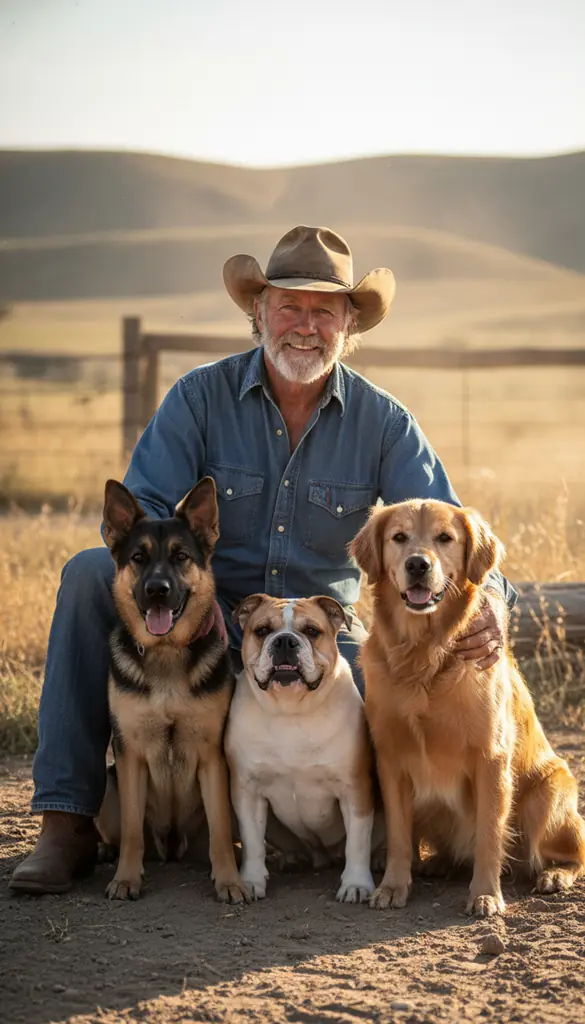
30 Years on the Ranch Taught Me One Thing: Every Dog Behavior Has a Story.
Hi, I’m Mark. I’ve spent my life in the Nevada dust raising Bulldogs, Shepherds, and Retrievers. When my own dogs started eating things they shouldn’t, I didn’t look for chemicals—I looked for the ‘Why’. I’ve gathered three decades of ranch-tested experience into one simple guide to help you understand your dog’s habits as well as I know mine
From Frustration to a Cleaner Ranch: Why I Shared My Experience
Understanding the ‘Why’ behind the habit wasn’t just about hygiene—it was about respect for my dogs.

A Problem I Couldn’t Ignore
On a ranch, your dogs are your partners. But a few years back, I noticed my best working German Shepherd and a young English Bulldog developing a habit that turned my stomach. They were eating feces, and no amount of scolding seemed to change a thing.
I realized that if I, with 30 years of experience, was feeling lost, then other folks in suburban homes must be feeling even worse. I didn’t want a medical textbook; I wanted a practical way to manage my pack.
I started observing every breed on my land—from the high-energy Belgian Malinois to the gentle Golden Retriever. I tracked their diet, their boredom levels, and how they interacted with the cat poop near the barn. I saw patterns that the city experts often overlook.
I spent two years refining a simple, natural approach to stop this behavior. This Dogs Guide isn’t a collection of “miracle cures.” It’s a roadmap of the biological triggers and the daily routines I used to bring harmony and cleanliness back to my ranch.

My Areas of Ranch Expertise
Over 30 years, my work with dogs has focused on three pillars that every owner should master.
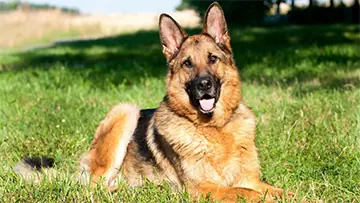
Behavioral Understanding
Decoding why breeds like the German Shepherd or Bulldog act out when their instincts aren’t met
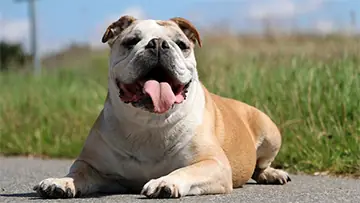
Nutritional Logic
Analyzing how a dog’s diet on the ranch affects their habits, especially the urge to seek out ‘waste’.

Environmental Control
Proven methods to organize your space (and the cat litter) to break the cycle of bad habits.
The “Observation-First” Method
I don’t believe in shouting or punishment. My process involves observing the dog’s temperament—whether it’s the protective Alsatian or the playful Labrador—to identify the specific trigger. I spent years testing what works in the real world, shifting from frustration to a structured daily routine that naturally redirects a dog’s attention.
30 Years of Hands-On Learning
A timeline of the breeds I’ve raised and the lessons they taught me about behavior and hygiene.
1995 – 2005
Focusing on the German Shepherd dog personality and Belgian Malinois temperament. Lessons in high-energy management and mental stimulation.
2005 – 2015
Studying the English Bulldog character and French Bulldog traits. Understanding digestive health and its link to coprophagia.
2015 – Present
Refining techniques for the Golden Retriever personality and Labrador retriever temperament. Mastering cleanliness in multi-pet environments.
The Faces and Stories that Built This Guide

I’ll be honest with you: I didn’t write this guide because I wanted to. I wrote it because of Old Blue, my first Alsatian. Blue was the smartest dog on the ranch, but he had this habit—eating feces. I didn’t understand the ‘why’ back then. I tried every old-school trick: scolding, bitter sprays, you name it. One day, Blue got severely ill from a parasite he picked up during one of those episodes. Seeing that powerful dog weak and fighting for his life in my barn… it broke me. I almost lost him because of my own ignorance. That night, I promised him I’d find a real way to manage this, not just for him, but for every dog that came after.
“Buster” (The English Bulldog)
Buster taught me everything about the English Bulldog temperament. People think they are just lazy, but their stubborn Bulldog personality requires a specific approach to hygiene. Buster was the one who showed me that digestive comfort is the first step to stopping bad habits.
“Bella” (The Golden Retriever)
You’d expect a Golden Retriever personality to be perfect, but Bella had a weakness for cat poop. Her traits of Golden Retrievers—being overly curious and food-motivated—meant I had to develop a training protocol that worked with her friendly nature, not against it.
“Rex” (The German Shepherd)
Rex had that classic German Shepherd dog qualities: protective and high-energy. With an Alsatian temperament, if they get bored, they get destructive or develop ‘pica’. Rex was my partner in testing the ‘Mental Stimulation’ section of my guide.
“Luna” (The Frenchie)
Little Luna showed me the French Bulldog breed traits. Despite the charming French Bulldog personality, their small size and sensitive stomachs make traditional corrections impossible. She’s the reason my guide is 100% gentle.
“Max” (The Labrador)
The Labrador retriever temperament is all about the stomach! Max would eat anything. Working with his Labrador dog personality helped me perfect the ‘Nutritional Bridge’ part of the guide to keep him satisfied and clean.
Refining the Method: A Road of Community Experience
I didn’t find the answers alone. I spent years leaning over ranch fences, talking to neighbors, and exchanging notes with fellow breeders across Nevada. We tested my observations on different breeds, from working Shepherds to city Bulldogs, until the method was rock-solid.
The “Neighbor’s Fence” Test (Focus: Bulldogs)
My neighbor Jim had a British Bulldog with a temperament as stubborn as a mule. We realized that what worked for my Shepherds needed a ‘softer’ approach for his dog’s digestive system. Together, we refined the Bulldog personality section of the guide.
The Working Dog Network (Focus: Shepherds & Malinois)
I stayed in touch with the Belgian Shepherd Malinois community. These dogs have a high-octane Alsatian temperament. We discovered that ‘mental exhaustion’ was the key to stopping their bad habits. This exchange helped me build the ‘Stimulation Protocol’ in the guide.
The Suburban Connection (Focus: Retrievers & Small Breeds)
Through my friends in the city, I learned that the Labrador retriever personality and the Golden retriever temperament face different challenges, like the cat poop in shared parks. Their feedback allowed me to adapt the guide for urban environments.
